
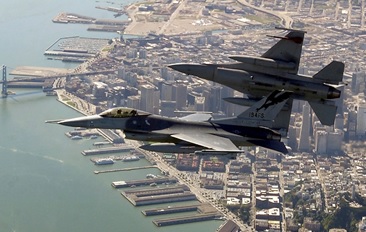
Deconflict is a term usually used in the military, meaning to reduce the risk of collision between (aircraft, airborne weaponry, etc.) in an area by coordinating their movements. The term deconflict also applies to the permit system.
Wellsite Permit To Work (WPTW) is a formal communication system for risk identification, management, control, and communication. WPTW is used to request, review, authorise, document and most importantly deconflict tasks to be carried out by front line workers. This also ensures that two operations that may cause a potential hazard do not take place in close vicinity.
A permit to work details the work to be done, the equipment that will be utilised and the workers who will be involved in the task. The safety precautions that need to be followed are specified. It indicates which other work groups need to be informed of the planned work. It provides formal authorisation for the work to commence.
Since the PTW is the primary deconfliction tool used on site, all work activities in high risk environments should have a PTW, with each specific hazardous operation then identified in Section A – Category of Work i.e. Hot Work, Confined Space Entry. Each Permit category identified minimises the risk of the individual task, while the PTW itself is minimising the risk of simultaneous activities.
Besides the WPTW, there are other tools available to assist deconflicting tasks:
· Pre-start meetings
· Job Safety Analysis
· Site inspections
· Permit Authority monitors open permits
An audit process is put in place to ensure that all work has been completed as specified and the work environment is left in a clean, safe state.
The Association can provide more information on ways to deconflict to avoid conflicting with activities, other permits or conditions on site.
For information about deconflicting tasks, contact our support centre on 1800 078 939, or email [email protected].